
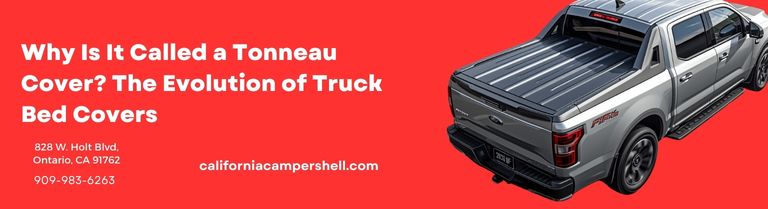
If you’re into pickup trucks, performance upgrades, or camping gear, you’ve probably wondered why it is called a tonneau cover in the first place. The name doesn’t sound very American, and it doesn’t immediately describe what it does, yet today tonneau covers are the most popular Truck Bed Covers in the U.S. automotive market. For California Truck owners who prioritize style, security, and weather protection. Dealing with the story behind this unusual word unlocks a surprisingly rich history.
The Origin of the Word “Tonneau”
Let’s start with the language itself. The term “tonneau” comes from French, where it originally meant “barrel” or “cask.” Early automobiles in the 1900s had a rounded, open seating area at the rear that resembled a barrel, earning it the nickname “tonneau.” Back then, people asked, “Why was it called a tonneau cover, anyway?” And the answer was simple: it was literally a cover for that rear seating area.
Early cars didn’t have fully enclosed cabins or rear roofs, so passengers were exposed to dust, cold wind, and rain. To make rides more comfortable, owners began covering the rear area with leather or canvas, which became adaptable.
Racing Helped Keep the Name Alive
You might expect the word “tonneau” to disappear once cars began offering enclosed cabins, but something else happened. As auto racing developed in the early 1900s, drivers realized that covering unsunned cockpits improved the aerodynamics of the vehicle. These covers were called tonneau covers and helped reduce drag for speed records. The cover concept survived even as the original passenger compartment disappeared.
This racing history shaped how we see tonneau covers as sleek, and their performance-friendly accessories. Today, many truck owners choose Truck Bed Covers not just to protect but also to improve fuel efficiency by reducing air drag.
How Tonneau Covers Moved From Cars to Trucks
Tonneau covers transitioned from sports cars to pickups as utility vehicles gained popularity. In Australia, these vehicles, known as “utes” (short for utility vehicles), combined a passenger cabin in front and an open tray at the back. Covering that tray made sense for both weather and security, so tonneau covers became a practical accessory for tradespeople and farmers.
In the United States, the growing popularity of the modern pickup truck pushed the trend even further. By the 1960s and 1970s, aftermarket manufacturers started creating tonneau covers specifically for truck beds. The reasons were simple: to keep cargo protected and to improve airflow around the vehicle.
That’s when the meaning of the term evolved. Today, when someone asks, Why is it called a tonneau cover on a truck, the answer is rooted in history, but the function is thoroughly modern.
Modern Styles of Tonneau Covers
Today’s Truck Bed Covers come in several designs:
- Roll-Up Covers: Flexible, budget-friendly, and convenient to use.
- Tri-Fold or Multi-Fold Covers: Hard or soft folding panels for balanced protection.
- Retractable Covers: Made with aluminum or polycarbonate slats, these covers slide open along built-in rails for easy access.
- Rugged One-Piece Covers: Heavy-duty fiberglass or aluminum construction for maximum security.
- Soft Vinyl Covers: Lightweight and weather-resistant for everyday use.
All these options make tonneau covers extremely versatile, whether you’re hauling work tools, camping gear, or groceries.
Why Truck Owners Love Tonneau Covers Today
It’s no surprise tonneaus are among the most installed truck accessories in the U.S. Here’s what they offer:
- Cargo protection from rain, snow, dust, and UV rays
- Security and theft deterrence for expensive tools
- Fuel efficiency improvements by smoothing airflow over the bed
- A cleaner, more finished appearance
- Better organization since cargo stays put instead of shifting in the wind.
Whether you drive an F-150, Silverado, Tacoma, or Ram, a tonneau cover turns the open bed into a protected cargo zone, without committing to a full camper shell or truck topper.
So… Why Is It Called a Tonneau Cover Anyway?
Simply, it’s called a tonneau cover because:
- “Tonneau” originally referred to a rear seating compartment on early cars.
- Covers were made to protect that space, which is how the term tonneau cover first came into use.
- The word stuck in the racing world, where cockpit covers improved performance.
- The name migrated to pickup trucks, where it now refers to bed covers.
So the next time someone asks, Why is it called a tonneau cover anyway?, you’ll have a surprising historical answer.
FAQ's
Why is it called a tonneau cover?
The name comes from early 1900s French cars, where the rear seating area was called a “tonneau.” A cover for that space became a “tonneau cover,” and the term carried over to Truck Bed Covers on pickups.
Why is it called a tonneau cover anyway if trucks don’t have seats in the bed?
Great question! Over time, the meaning shifted from “seat compartment cover” to “cargo protection cover.” Today, the name remains even though the function has changed.
Are tonneau covers and truck bed covers the same thing?
Yes. In modern usage, both refer to protective covers that shield the bed of a pickup truck. Some people say “tonneau cover,” others say “truck bed cover,” but they mean the same product category.
Do tonneau covers improve gas mileage?
Often yes. By reducing drag caused by the open bed, many drivers report modest improvements in fuel efficiency, especially on highways.
Are tonneau covers worth it?
For most truck owners, absolutely. They provide security, weather protection, cleaner aerodynamics, and a sleek look. That’s why so many California drivers choose them.